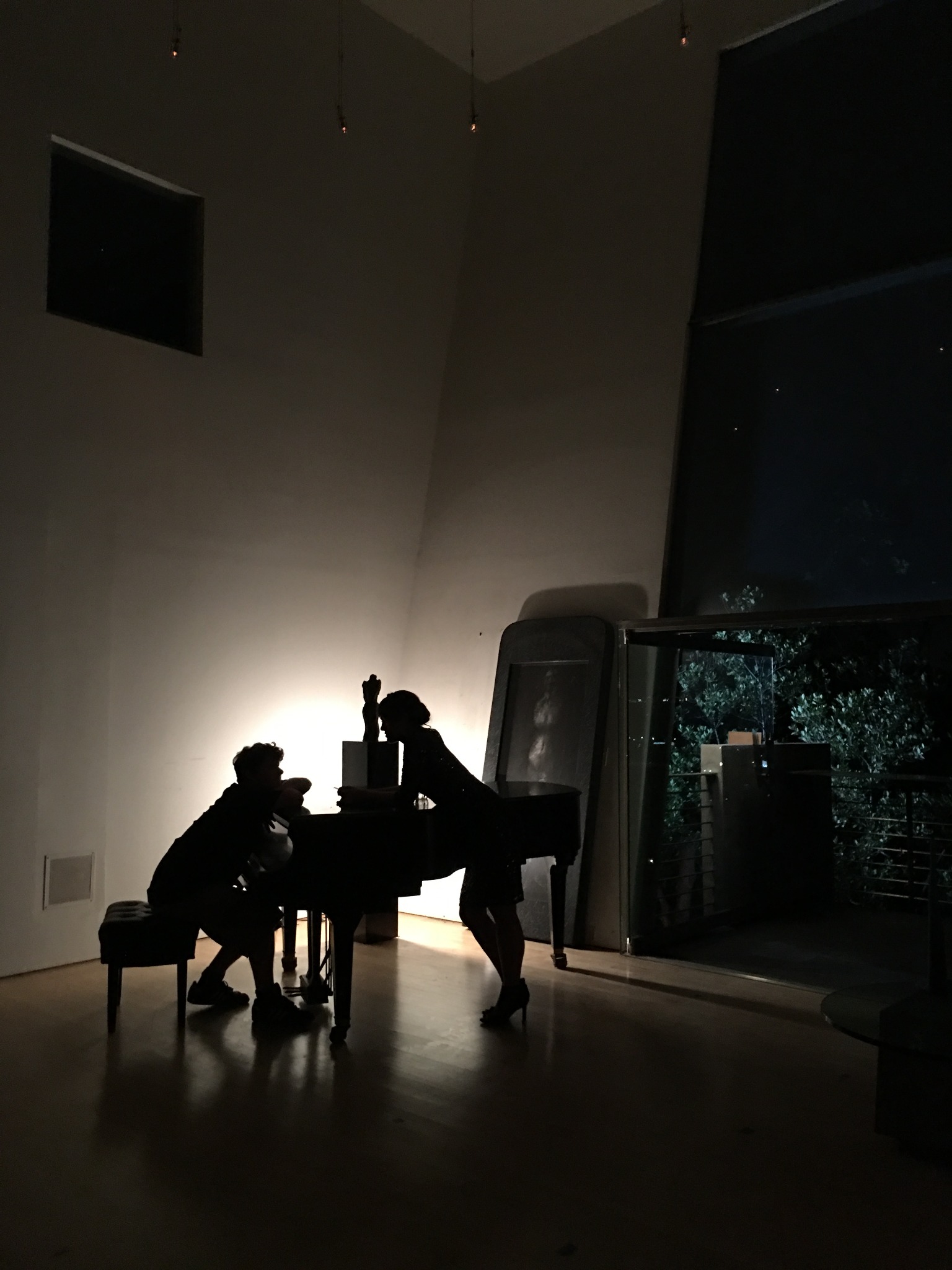
I've always been drawn less to plot than atmosphere.
Not because plot doesn't matter, but because atmosphere tends to be the thing audiences actually carry with them afterward.
- —The feeling.
- —The texture.
- —The emotional residue.
Some films are remembered almost entirely through atmosphere.
- —A hallway.
- —A sound.
- —A color palette.
- —A sense of unease.
- —A particular rhythm of silence.
Long after the mechanics of the story disappear, the atmosphere remains intact.
That idea shaped a large portion of my visual work long before I fully understood it intellectually.
- —Music videos.
- —Montage edits.
- —Analog degradation experiments.
- —Noir lighting.
- —VHS artifacts.
- —Slow-moving tension.
- —Fragmented Americana.
A lot of those projects were really attempts to study emotional texture more than narrative itself.
Atmosphere changes the psychological weight of an image.
Two scenes with identical dialogue can feel completely different depending on:
- —Pacing
- —Sound
- —Framing
- —Light
- —Color
- —Silence
- —Texture
Which is why I've increasingly come to believe atmosphere isn't decoration layered on top of storytelling.
In many cases, it is the storytelling.
- —Especially in horror.
- —Especially in satire.
- —Especially in work dealing with discomfort, paranoia, nostalgia, or emotional fragmentation.
People rarely remember every plot point from a film.
But they remember how the film made them feel.
That feeling is usually atmosphere.